1. Home
  2. Solution
  3. Liquid Packaging Solutions
  4. Sauce Packaging Solution

Liquid Packaging Solutions

Sauce Packaging Solution

What Is Sauce Packaging Solution?

A sauce packaging solution is an automated system used to fill and seal sauce products into sachets, pillow bags, premade pouches, spout pouches, cartons, or cases.
Sauce products are more difficult to package than many dry products because the filling process directly affects package cleanliness and sealing quality. If sauce splashes onto the sealing area, the package may leak. If the filling nozzle leaves product residue after each fill, the bag surface may become dirty. If the sauce contains chili flakes, herbs, seeds, or vegetable pieces, the filling system must allow the particles to pass smoothly without blocking or separating the product.
For thinner sauces such as soy sauce or liquid seasoning, filling accuracy and anti-drip control are important. For thicker sauces such as ketchup, chili sauce, salad dressing, or cooking sauce, the line needs stable pressure, clean cut-off, and enough filling force. For sauces with oil or suspended particles, product mixing and filling consistency should also be considered.
Soontrue builds sauce packaging solutions according to these real production details instead of treating every sauce as the same liquid product. The goal is to keep filling stable, seals clean, packs neat, and downstream packing efficient.


How to Choose the Right Sauce Packaging Solution?

Choosing the right sauce packaging solution starts with understanding how the sauce behaves during filling.
Manufacturers should consider:
-  Sauce type, such as ketchup, chili sauce, soy sauce, dressing, marinade, or cooking sauce 
-  Viscosity and flow behavior 
-  Whether the sauce contains particles 
-  Particle size and suspension stability 
-  Oil content or separation risk 
-  Filling volume 
-  Filling accuracy requirement 
-  Anti-drip and cut-off requirement 
-  Sachet, pouch, spout pouch, or carton format 
-  Packaging material and sealing performance 
-  Cleaning requirements 
-  Cartoning, case packing, and palletizing needs 
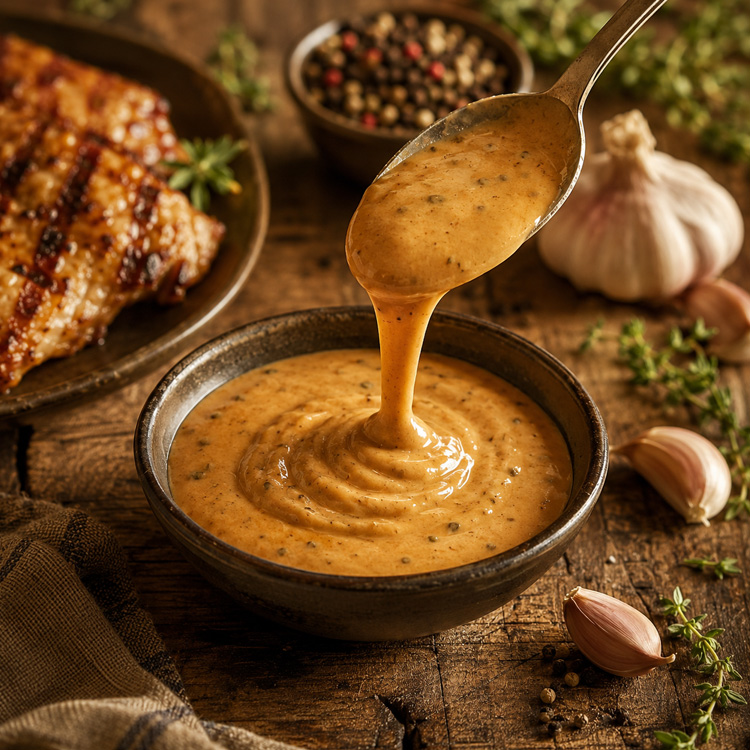
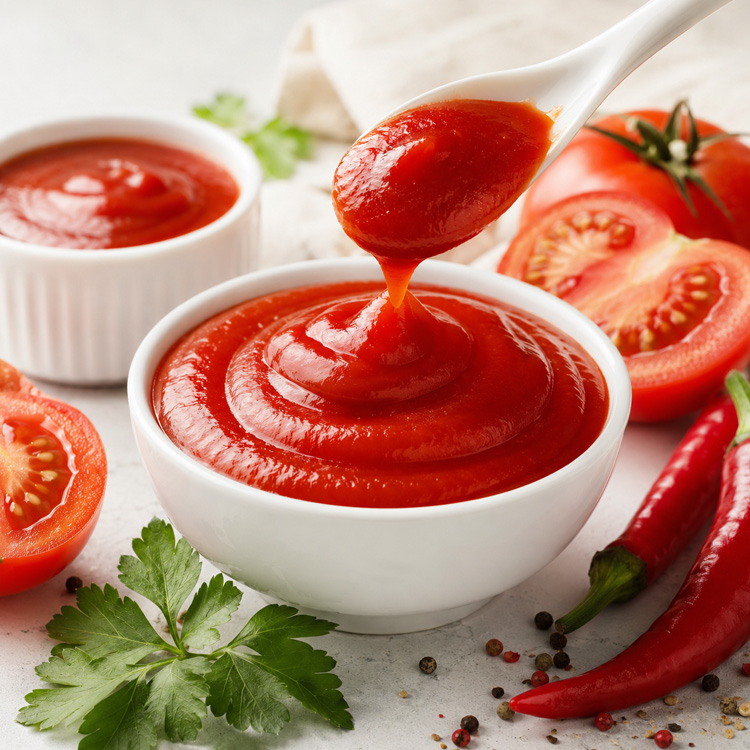
For example, soy sauce usually needs accurate filling and clean sealing because it flows easily and may drip. Ketchup and chili sauce need filling systems that can handle viscosity and reduce tailing. Salad dressing or sauces with herbs and particles require attention to product mixing, filling passage size, and nozzle design.
Soontrue helps manufacturers evaluate sauce texture, package format, line speed, and downstream packing requirements before configuring the packaging line.



Sauce Packaging Solution Video

Watch how Soontrue sauce packaging solutions handle liquid, viscous, and particle-containing sauce products from filling to final packing.
The video can show sauce feeding, metered filling, sachet forming, pouch filling, sealing, checkweighing, cartoning, case packing, and palletizing.
The actual line configuration depends on sauce viscosity, filling volume, package style, sealing requirements, and plant layout.

{{item.title}}

  • {{item.title}}

VideoCover

SOLUTION MACHINE

Machines Included in Sauce Packaging Solution

A sauce packaging line should be selected according to how the sauce flows, how it fills, and how the package needs to be sealed. Thin liquid sauces, thick sauces, oily sauces, and sauces with particles may require different feeding and filling designs.
 

Sauce Feeding System
The sauce feeding system transfers product from the mixing tank, storage tank, or upstream processing equipment to the filling unit.
For thin sauces, the system needs stable flow control to avoid splashing and overfilling. For thick sauces, it must provide enough pressure to move the product smoothly. For sauces with chili flakes, herbs, seeds, or vegetable pieces, the product path should be selected to reduce blockage and maintain product consistency.
If the sauce separates easily, such as oil-based dressing or sauce with suspended particles, the feeding process may need to consider product mixing before filling.


Sauce Filling System
The filling system is the core of a sauce packaging line.
For soy sauce, vinegar sauce, or other thin liquids, the main focus is filling accuracy, anti-drip control, and clean sealing. For ketchup, chili sauce, paste-like sauce, or salad dressing, the filling system must handle higher viscosity and reduce product tailing after each fill.
For sauces with particles, the filling system should be matched to the particle size and sauce texture. If the filling path is too narrow or the cut-off is not clean, particles may block the nozzle or leave product residue on the sealing area.
The correct filling method helps reduce leakage, improve pack appearance, and keep the line running steadily.


Sauce Sachet Packaging Machine
Sauce sachet packaging is widely used for ketchup, chili sauce, soy sauce, dipping sauce, and food service condiments.
A sachet line forms small packs from roll film, fills the sauce, seals the pack, and cuts it into individual units. For sauce sachets, sealing cleanliness is especially important because even a small amount of sauce on the seal can cause leakage.
This type of line is suitable for single-use packs, restaurant supply, takeaway condiments, instant food seasoning packs, and high-volume sauce production.


Premade Pouch Packaging Machine
Premade pouch packaging is suitable for retail sauce products that require better shelf appearance than standard roll-film packs.
It can be used for stand-up pouches, flat pouches, shaped pouches, and resealable pouch formats. This is common for cooking sauces, chili sauces, salad dressings, marinades, and branded condiments.
Compared with sachets, premade pouches usually focus more on package presentation, filling cleanliness, opening convenience, and consumer use experience.


Spout Pouch Packaging Machine
Spout pouch packaging is suitable for sauces that need convenient pouring or repeated use.
This format is often used for larger sauce packs, family-size condiments, cooking sauces, and products that need better control after opening. The machine configuration should consider spout position, pouch opening, filling volume, sealing around the spout area, and finished pouch stability.
For oil-based or viscous sauces, the filling and sealing process must be adjusted carefully to reduce leakage risk.


Checkweigher and Inspection System
A checkweigher can be added after filling and sealing to verify finished package weight.
For sauce products, checkweighing helps detect underfilled packs, overfilled packs, and unstable filling performance. Inspection systems can also be used when the line requires additional package quality control.

Case Packing and Palletizing System
Case packing systems group sauce pouches, cartons, or sachet packs into corrugated cases for transportation.
Because sauce packs can be flexible and sometimes heavy, the case packing method should consider package shape, pack count, case strength, and stacking stability. Palletizing can then prepare finished cases for warehouse storage and distribution.

WHAT PACKAGING SOLUTIONS ARE AVAILABLE FOR BREAD & BAKERY?

Packaging Formats for Sauce

Sauce packaging format should be selected according to filling volume, viscosity, sales channel, consumer use, and leakage risk.
Soontrue sauce packaging solutions can support sauce sachets, pillow bags, premade pouches, stand-up pouches, spout pouches, cartons, corrugated cases, and palletized loads.

  • shape-1

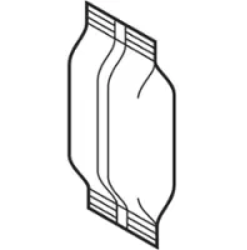
    Pillow Bag Packaging

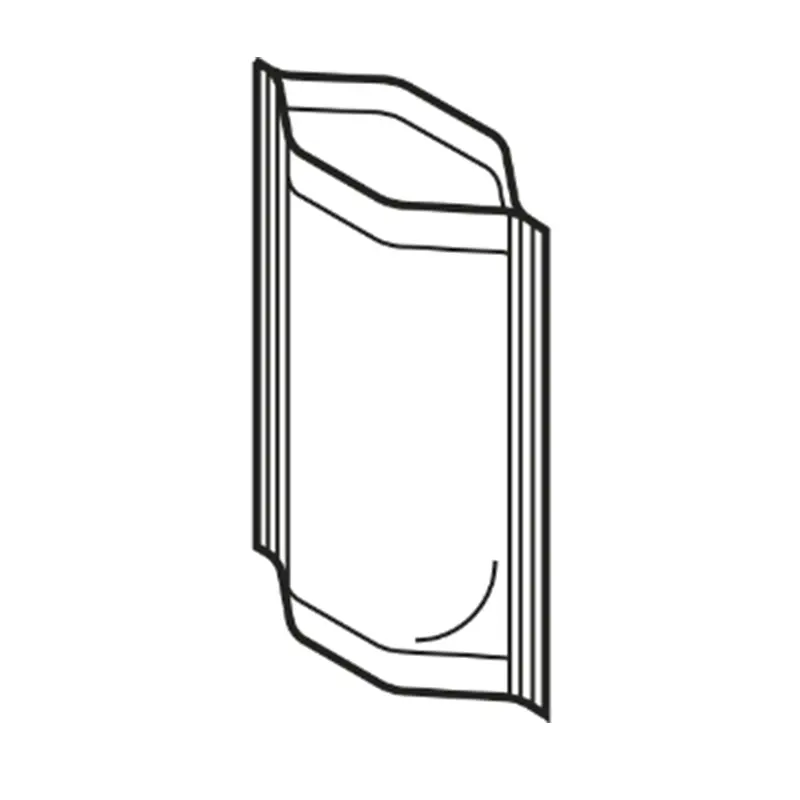
    The standard pillow bag features a simple and efficient sealing structure, making it one of the most widely used flexible packaging formats. It is suitable for a wide range of products across food, daily goods, and industrial applications.

  • Premade Pouch Packaging

    Premade Pouch Packaging

  • Box and Case Packaging

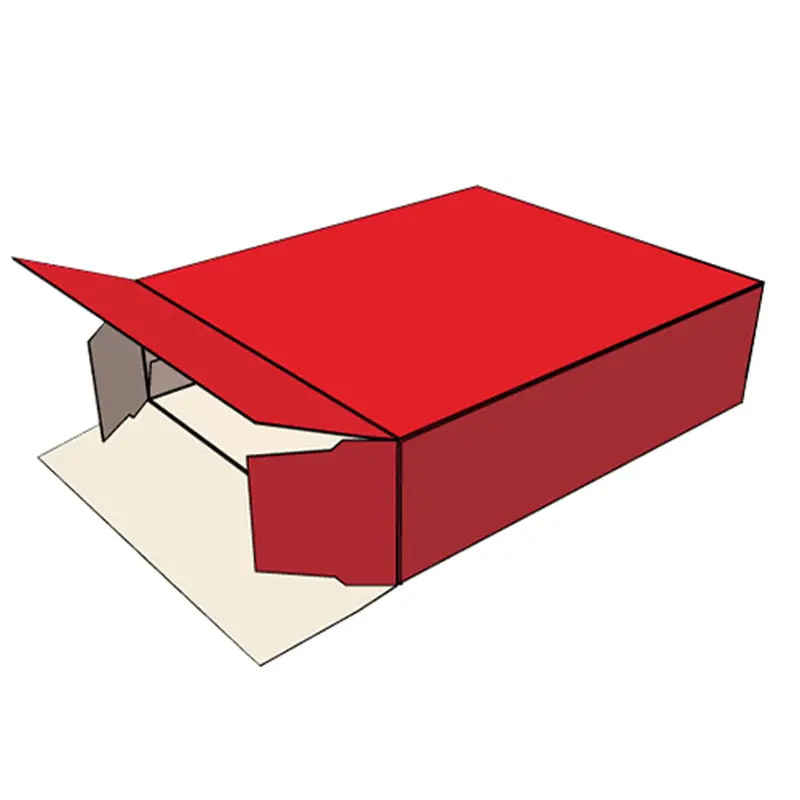
    Box and Case Packaging

FAQ

Sauce Packaging Solution FAQs

Q1: What sauce products can be packaged with Soontrue solutions?

Soontrue sauce packaging solutions can be configured for ketchup, chili sauce, soy sauce, salad dressing, cooking sauce, dipping sauce, marinade, condiment sauce, and similar liquid or semi-liquid products.

Q2: Can the same sauce packaging line handle both thin and thick sauces?

It depends on the viscosity range, filling system, filling volume, and package format. Thin sauces and thick sauces may require different filling parameters or different pump configurations. If the viscosity difference is large, the line should be evaluated before confirming shared production.

Q3: How do you prevent sauce from contaminating the sealing area?

The key is to control filling volume, filling speed, nozzle cut-off, product dripping, and bag position. For sauce products, clean sealing is critical because sauce residue on the seal can cause leakage or weak seals.

Q4: Can sauces with chili flakes, herbs, or seeds be packed automatically?

Yes, but the filling system must be selected according to particle size and sauce texture. Sauces with larger particles require suitable product passages and filling nozzles to reduce blockage and maintain filling consistency.

Q5: What packaging format is best for single-use sauce products?

Sachets are commonly used for single-use sauce products because they are compact, cost-efficient, and suitable for takeaway, food service, and instant food applications.

Q6: When should sauce products use spout pouch packaging?

Spout pouches are suitable when the product needs convenient pouring, repeated use, or larger retail volume. They are commonly used for cooking sauces, dressings, and family-size condiment packs.

Q7: How can leakage be reduced in sauce pouch packaging?

Leakage can be reduced by using suitable packaging material, accurate pouch opening, controlled filling, clean sealing, correct sealing temperature and pressure, and proper finished-pack handling after sealing.

Q8: What information is needed before designing a sauce packaging solution?

Useful information includes sauce type, viscosity, particle content, particle size, oil content, filling volume, package format, packaging material, target speed, filling accuracy requirement, cleaning requirement, factory layout, and downstream packing needs.

CONTACT

Please fill in the necessary information in the table below and click the send button. After confirming the content, the responsible person will reply.