1. Home
  2. Solution
  3. Food Packaging Solutions
  4. Bakery Packaging Solution

Food Packaging Solutions

Bakery Packaging Solution

What Is Bakery Packaging Solution?

A bakery packaging solution combines the processes required to handle, pack and prepare baked products for distribution. Depending on the product and package, the line may include product feeding, lane distribution, alignment, counting or grouping, primary packaging, inspection, cartoning, case packing and palletizing.

Bread, buns, biscuits, cookies, cakes, Swiss rolls and pastries do not behave in the same way at the packaging infeed. Their softness, fragility, shape, surface condition, temperature, spacing and required package format affect the handling and packaging method.

The solution should therefore be defined from the real product and production process rather than from a machine model alone. Soontrue Group evaluates the product condition, package specification, required output, upstream delivery, downstream scope and factory layout before configuring the applicable equipment and interfaces.

Actual output, pack quality and format range must be validated using representative products, selected packaging material and agreed operating conditions.


How to Choose the Right Bakery Packaging Solution?

Start by defining how the product reaches the packaging area and what the finished package must achieve. The following inputs determine the practical line configuration:

  • Product condition at packing: dimensions, weight, temperature, softness, brittleness, stickiness, toppings, crumbs and acceptable deformation.
  • Incoming product flow: number of lanes, orientation, spacing, normal rate, peak rate and upstream stop-start behaviour.
  • Pack configuration: individual, grouped, stacked, tray-loaded or multipack; pillow bag, premade pouch, carton or shipping case.
  • Packaging material: film structure, sealing window, barrier requirement, print registration and compatibility with the selected process.
  • Quality controls: coding, checkweighing, metal detection, vision inspection, seal checks and reject handling where required.
  • Production plan: target output, SKU mix, format range, changeover expectations and staffing assumptions.
  • Downstream scope: cartoning, case packing, case sealing, palletizing and interfaces with existing equipment.
  • Factory conditions: available space, access, utilities, cleaning requirements and environmental conditions.

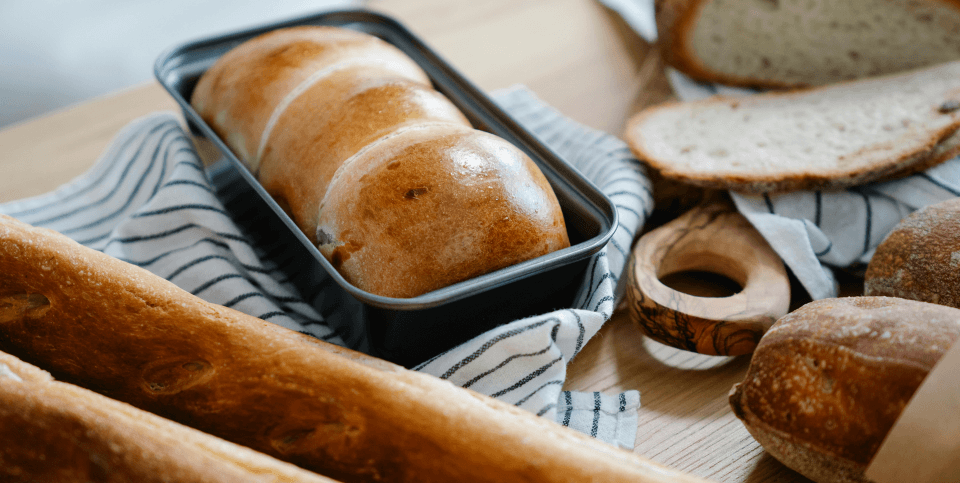
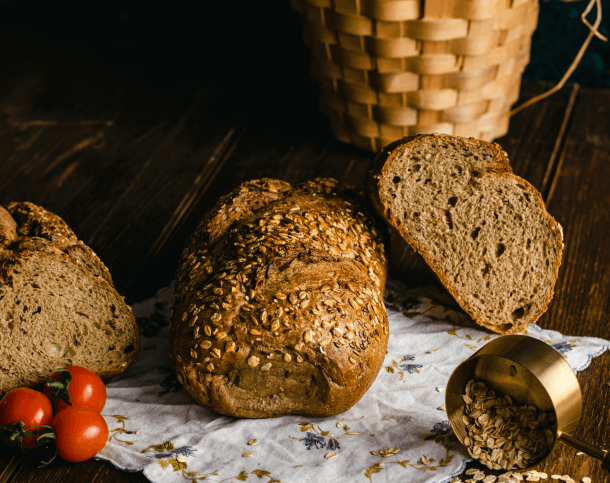
For example, soft bread and buns may require controlled transfer and product support. Biscuits and wafers may require counting, stacking and limited impact. Cakes and decorated products may require trays or additional clearance. The final design should be reviewed with representative samples rather than selected from the product name alone.

 

Bakery Packaging Solution Video

These videos show bakery products moving through different feeding, wrapping, tray-loading and cartoning configurations. They are application references rather than universal line specifications. The suitable configuration depends on product condition, pack format, required output, upstream delivery and downstream automation scope.

{{item.title}}

  • {{item.title}}

VideoCover

SOLUTION MACHINE

Bakery packaging equipment should be selected as connected process stages. Product feeding must match the incoming product flow, the primary packaging method must match the product and package, and downstream equipment must receive the finished packs in a controlled orientation and rate.


Product Feeding and Handling System
Feeding systems may distribute products from multiple lanes, create spacing, align or count products, form groups and synchronize delivery to the packaging machine. The design depends on product softness, fragility, surface condition and upstream discharge behaviour.


Flow Wrapping Machine
Flow wrapping may be used for individual, grouped or tray-supported bakery products with a controlled orientation. Product pitch, film feed, seal-jaw clearance, sealing method, registration control and feeding synchronization should be evaluated together.


Vertical Packaging Machine
Vertical packaging may be considered for small dry bakery snacks, croutons, randomly oriented items or products that are weighed or dosed into bags. Product fragility, drop height, weighing behaviour and seal-area contamination require evaluation.


Premade Pouch Packaging Machine
Premade pouches may support specific display, closure or pack-format requirements. Pouch opening, filling clearance, product dimensions, material structure and sealing behaviour must be tested with the intended product and pouch.


Cartoning Machine
Cartoning may be added when primary packs, trays or grouped bakery products require a retail carton. The project should define pack orientation, loading pattern, carton dimensions, closure method and the interface with upstream equipment.


Case Packing and Palletizing System
End-of-line equipment can group finished packs or cartons into shipping cases and prepare cases for storage or distribution. Case quantity, arrangement, pack stiffness, case dimensions, pallet pattern and required output influence the final configuration.

WHAT PACKAGING SOLUTIONS ARE AVAILABLE FOR BREAD & BAKERY?

Bakery products may use flexible film, premade pouches, trays, cartons or shipping cases depending on product behaviour, freshness target, presentation, production process and distribution requirements. Packaging format selection should be coordinated with product handling, material properties and sealing validation.

Pillow Bag Packaging
Pillow bags formed by horizontal flow wrapping are commonly considered for bread, buns, biscuits, cookies, cakes, pastries and tray-supported products with a controlled orientation. Suitability depends on product dimensions, feeding stability, film structure, seal clearance and the required pack atmosphere.

Premade Pouch Packaging
Premade pouches may be used for cookies, biscuits, bakery snacks and assortments that require a particular display, closure or bag structure. Product loading, pouch opening, seal contamination and material compatibility should be validated before final equipment selection.

Case and Case Packaging
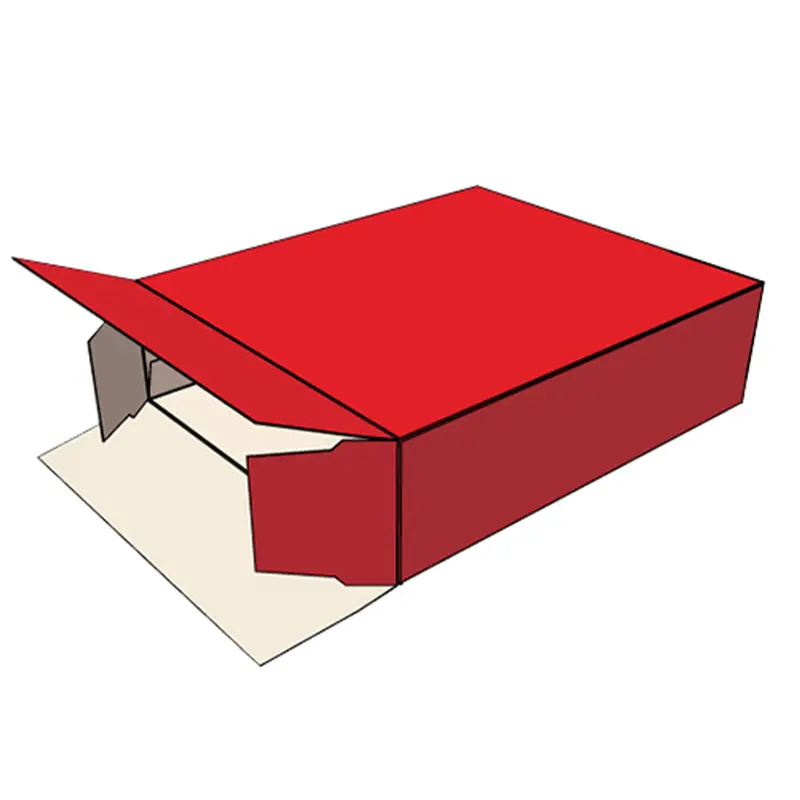
Retail cartons can organize or protect individual packs, trays and bakery assortments. Shipping cases group finished packs or cartons for storage and distribution. The required equipment depends on pack orientation, quantity per carton or case, loading pattern, material stiffness and downstream logistics.


  • shape-1

    Pillow Bag Packaging

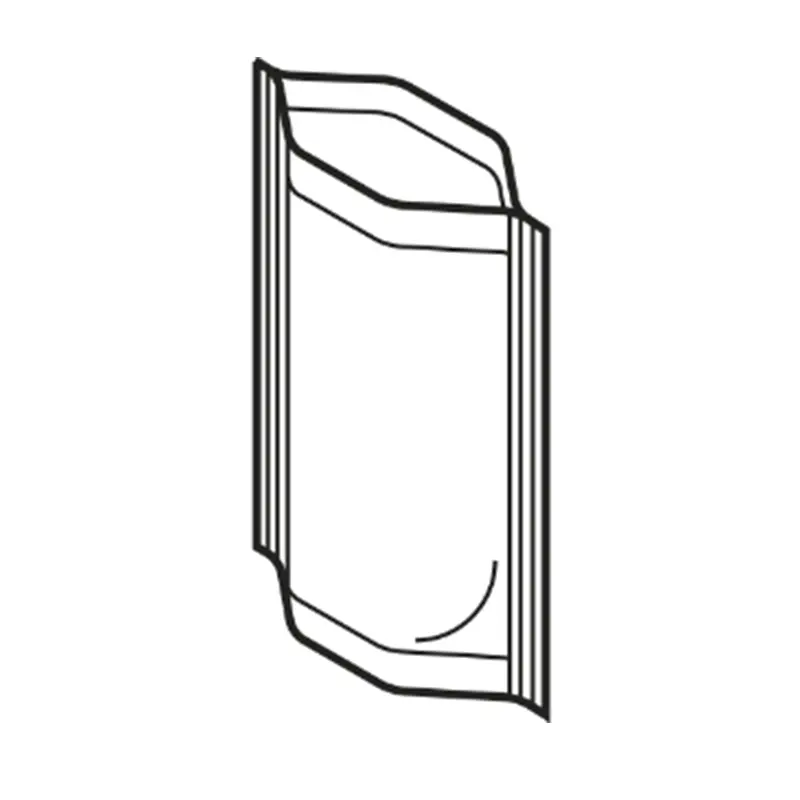
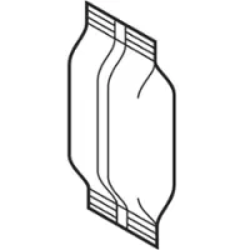
    The standard pillow bag features a simple and efficient sealing structure, making it one of the most widely used flexible packaging formats. It is suitable for a wide range of products across food, daily goods, and industrial applications.

  • Premade Pouch Packaging

    Premade Pouch Stand-up Pouches Packaging

    Stand-up pouches feature a bottom gusset that allows the package to stand upright on shelves, combining strong product presentation with efficient use of packaging material. They are widely used for snacks, coffee, pet food, powders, liquids, and other consumer products.

  • Box and Case Packaging

    Box and Case Packaging

FAQ

  • Yes. From primary packing to cartoning/case packing and end-of-line automation, Soontrue can design modular line solutions.


  • Use gentle feeding, stable conveying, and synchronized film pulling to minimize pressure and misfeeds.

  • Tray + flow wrap or premade pouches are common for premium presentation and product protection.

  • Yes. With proper feeding and change parts, a flow wrapper can handle multiple bakery products with adjustable settings.

  • Airtight sealing, suitable film barrier, and optional MAP gas flushing help retain moisture and extend shelf life.

  • Pillow bags made by flow wrapping machines are widely used for sliced bread due to speed, protection, and consistent sealing.

  • Provide the product list, dimensions, weight, condition at packing, package formats, packaging material, normal and peak output, SKU mix, upstream delivery, downstream scope, factory layout and required inspection. Representative samples are needed before final configuration and validation.

  • Start with product condition and transfer design. Product support, controlled contact, suitable conveyor transitions, stable spacing and synchronized feeding may reduce avoidable damage. The acceptable result must be confirmed using representative products at the intended operating conditions.

  • There is no single format for all bakery products. Flow wrapping, vertical bags, premade pouches, trays, cartons and cases serve different product and distribution requirements. Selection depends on product behaviour, package specification, material, freshness target, presentation and production process.

  • Some systems can support multiple products or formats, but the practical range depends on product dimensions, feeding method, film and sealing system, change parts, recipe settings and acceptable changeover time. The intended SKU matrix should be reviewed before equipment selection.

  • Packaging can influence moisture transfer, oxygen exposure, contamination and physical protection, but it cannot independently determine shelf life. Formulation, baking, cooling, hygiene, material barrier, seal integrity, storage and distribution must be evaluated together. Performance should be validated with the real product and selected package.

  • Testing should cover representative products and materials, feeding stability, product damage, pack dimensions, film tracking, sealing, seal contamination, inspection and reject handling, format changeover and agreed abnormal conditions. Acceptance criteria should be defined for the actual project.

CONTACT

Please fill in the necessary information in the table below and click the send button. After confirming the content, the responsible person will reply.