1. Home
  2. Solution
  3. Granule Packaging Solutions
  4. Rice & Grain Packaging Solution

Granule Packaging Solutions

Rice & Grain Packaging Solution

What Is Rice & Grain Packaging Solution?

A rice and grain packaging solution is an automated packaging system designed for granular food products such as white rice, brown rice, mixed grains, beans, cereals, seeds, and similar products.
Rice and grain products are usually free-flowing, but the packaging process still requires careful control. Small particles may enter the sealing area, causing poor sealing or product leakage. Different grains may also vary in density, particle size, and flow speed, which affects weighing accuracy and filling stability.
For rice, beans, cereals, and grain products, the packaging line needs to achieve accurate weight control, stable product feeding, clean filling, reliable sealing, and efficient downstream handling. Retail packs may focus on package appearance and weight accuracy, while larger packs require stronger sealing, stable bag shape, and efficient case packing or palletizing.
Soontrue provides customized rice and grain packaging solutions that can include bucket elevators, weighing systems, vertical packaging machines, premade pouch packaging machines, checkweighers, conveyors, case packing systems, and palletizing systems according to actual production requirements.
Whether the application is small retail rice packs, premium grain pouches, bean packaging, cereal packaging, or high-volume grain production, Soontrue helps manufacturers build stable automated packaging lines with consistent filling performance and reliable end-of-line efficiency.




How to Choose the Right Rice & Grain Packaging Solution?

Choosing the right rice and grain packaging solution depends on product characteristics, target package weight, packaging format, production capacity, and downstream handling needs.
Manufacturers should consider:
-  Product type, such as rice, beans, mixed grains, cereals, or seeds 
-  Particle size and particle uniformity 
-  Bulk density 
-  Product flowability 
-  Target package weight 
-  Required weighing accuracy 
-  Bag size and bag format 
-  Packaging material 
-  Risk of particles entering the sealing area 
-  Required packaging speed 
-  Checkweighing requirement 
-  Case packing and palletizing requirement 
-  Factory layout and available installation space 
For example, standard retail rice packs may use vertical packaging with accurate weighing and checkweighing. Premium mixed grains may use premade pouch packaging for better shelf presentation. High-volume rice production may require automatic case packing and palletizing to reduce manual labor at the end of the line.
Soontrue helps manufacturers evaluate product characteristics, packaging targets, and factory conditions before configuring a suitable automated rice and grain packaging line.



Rice & Grain Packaging Solution Video

Watch how Soontrue rice and grain packaging solutions handle granular products from product feeding and weighing to final packaging.
The video can show automatic material conveying, weighing, filling, sealing, checkweighing, and downstream packing configurations for different rice and grain production requirements.
The actual line can be customized according to product type, target package weight, packaging material, production speed, and factory layout.

{{item.title}}

  • {{item.title}}

VideoCover

SOLUTION MACHINE

Machines Included in Rice & Grain Packaging Solution

Different rice and grain products require different machine configurations. The final solution depends on product flowability, package weight, accuracy requirement, packaging format, production speed, and downstream automation level. 


Material Feeding System
Rice and grain products require stable material feeding before weighing and filling.
A bucket elevator or material conveyor can transfer products from storage, processing equipment, or bulk feeding systems to the weighing unit. The feeding system should provide continuous and controlled product flow, helping the weighing system maintain stable accuracy during production.
For products such as rice, beans, mixed grains, and cereals, the feeding structure should be selected according to product particle size, product height, line layout, and required capacity.


Weighing and Dosing System
Accurate weighing is one of the most important parts of rice and grain packaging.
The weighing system controls the target package weight and helps reduce overfilling, underfilling, and product giveaway. For common retail packs such as 500 g, 1 kg, 2 kg, or 5 kg, the weighing system should be selected according to package weight range, product density, required speed, and accuracy tolerance.
For mixed grains, beans, or cereals with different particle sizes and flow characteristics, dosing stability is especially important to maintain package consistency.


Vertical Packaging Machine
Vertical packaging machines are commonly used for rice and grain products requiring automatic bag forming, filling, and sealing.
The machine can form bags from roll film, fill the measured product, seal the bag, and discharge the finished package. It is suitable for many retail rice, grain, bean, cereal, and seed packaging applications.
For small particles such as rice and grains, the machine configuration should help reduce material leakage and prevent particles from contaminating the sealing area.


Premade Pouch Packaging Machine
Premade pouch packaging machines are suitable for rice and grain products requiring ready-made bags and better retail presentation.
This format is often used for premium rice, organic grains, mixed grains, beans, cereals, or branded products where shelf appearance is important.
Premade pouches can support different package styles depending on market needs, including stand-up pouches and resealable pouch formats.


Checkweigher and Inspection System
A checkweigher can be integrated after the packaging machine to verify finished package weight.
This helps identify underweight or overweight packages and improves quality control during continuous production.
For rice and grain products sold by fixed weight, checkweighing is useful for maintaining consistent package quality and reducing customer complaints.


Case Packing System
Case packing can be added when finished rice or grain packages need to be grouped into corrugated cases for transportation.
The system can help reduce manual packing, improve packing consistency, and support high-volume production.
Case packing is especially useful when multiple retail bags need to be packed into shipping cartons according to fixed pack counts.


Palletizing System
Palletizing systems can prepare finished cases or heavier packages for warehouse storage and logistics.
For rice and grain production with large output, palletizing helps reduce manual handling and improve end-of-line efficiency.
The palletizing configuration should be selected according to case size, case weight, pallet pattern, and warehouse requirements.

WHAT PACKAGING SOLUTIONS ARE AVAILABLE FOR BREAD & BAKERY?

Packaging Formats for Rice & Grain

Rice and grain products can be packaged in different formats depending on product positioning, target package weight, shelf display, storage requirements, and transportation method.
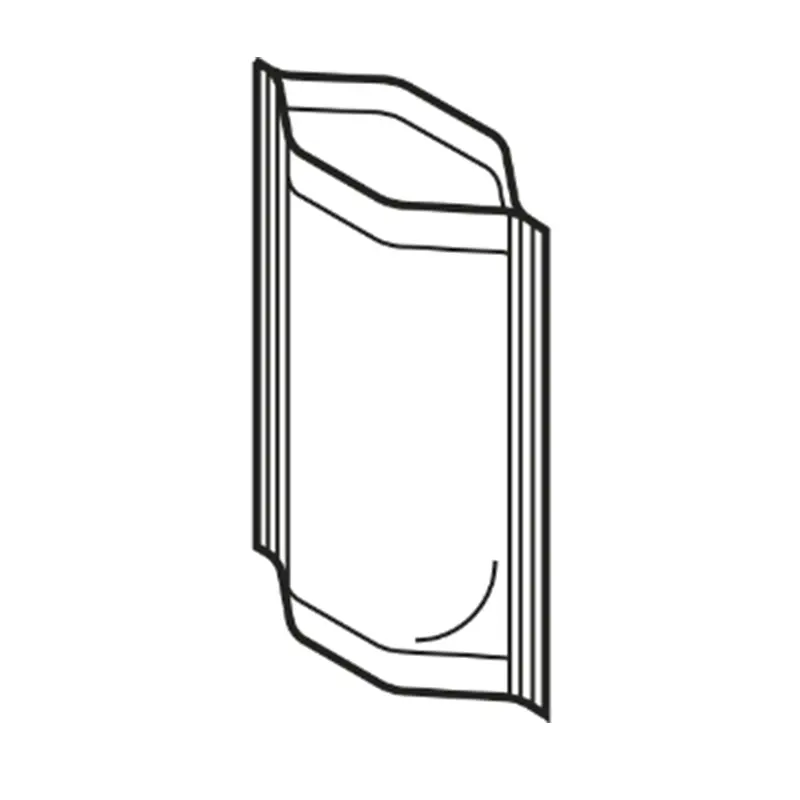
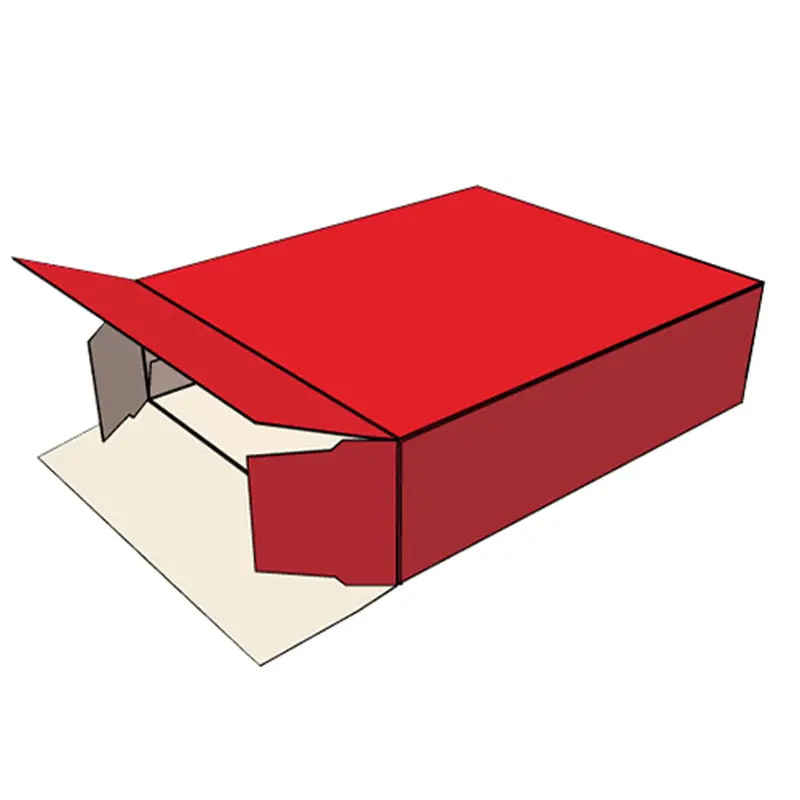
Soontrue rice and grain packaging solutions can support pillow bags, gusset bags, stand-up pouches, cartons, corrugated cases, and palletized packages.

  • shape-1

    Pillow Bag Packaging

    The standard pillow bag features a simple and efficient sealing structure, making it one of the most widely used flexible packaging formats. It is suitable for a wide range of products across food, daily goods, and industrial applications.

  • Premade Pouch Packaging

    Premade Pouch Packaging

  • Box and Case Packaging

    Box and Case Packaging

FAQ

Rice & Grain Packaging Solution FAQs

Q1: What rice and grain products can be packaged with Soontrue solutions?

Soontrue rice and grain packaging solutions can be configured for white rice, brown rice, mixed grains, beans, cereals, seeds, and similar free-flowing granular food products.

Q2: How can weighing accuracy be improved for rice and grain packaging?

Weighing accuracy can be improved by using a suitable weighing system, maintaining stable product feeding, controlling product flow, and selecting the correct dosing method according to product density, particle size, target weight, and required speed.

Q3: How can rice grains or small particles be prevented from entering the sealing area?

This depends on stable filling control, suitable bag forming, correct filling timing, clean sealing design, and machine settings matched to product flowability. Reducing particles in the sealing area helps improve sealing quality and reduce package leakage.

Q4: Can one rice packaging line handle different package weights?

Yes, but the workable weight range depends on the weighing system, bag size, packaging machine specification, and changeover design. Common retail weights such as 500 g, 1 kg, 2 kg, and 5 kg may require different bag sizes and machine settings.

Q5: What packaging format is suitable for premium rice or mixed grains?

Premium rice, organic grains, and mixed grains often use stand-up pouches, premade pouches, gusset bags, or cartons to improve shelf presentation. The final choice depends on brand positioning, package weight, material cost, and retail requirements.

Q6: Can rice and grain packaging lines reduce product leakage?

Yes. Product leakage can be reduced by selecting suitable packaging material, maintaining accurate filling, controlling particle flow, improving sealing stability, and matching the bag format to product characteristics.

Q7: Can rice and grain packaging lines include checkweighing, case packing, and palletizing?

Yes. A complete rice and grain packaging line can include checkweighing, inspection, case packing, carton sealing, palletizing, and other downstream automation systems according to production capacity and logistics requirements.

Q8: What information is needed before designing a rice and grain packaging solution?

Useful information includes product type, particle size, bulk density, target package weight, package format, packaging material, required speed, accuracy requirement, factory layout, case packing requirements, and palletizing requirements.

CONTACT

Please fill in the necessary information in the table below and click the send button. After confirming the content, the responsible person will reply.