Random Product Weighing & Packaging Solution
What Is Random Product Weighing & Packaging Solution?
A random product weighing and packaging solution packs loose products according to a preset target weight without requiring every item to be oriented or counted individually.
Products are supplied to the weighing system in bulk. A distribution mechanism separates the product into several weighing hoppers. The control system compares the weight held in each hopper and selects a combination that is close to the required package weight.
The selected product portion is then discharged into the packaging machine.
This process is suitable when:
- Products enter in no fixed order.
- Individual pieces vary in size or weight.
- The finished package is sold by net weight.
- Exact piece counting is unnecessary.
- Products can flow through the weighing and discharge system.
- High-volume repeated portioning is required.
The main challenge is maintaining both weighing performance and product condition.
Sticky products may not leave the hoppers cleanly. Fragile products can break during vibration or dropping. Frozen products may create condensation. Lightweight items may bridge inside chutes, while large irregular pieces may block narrow discharge paths.
The weighing system, contact surfaces, hopper size, vibration settings, discharge height, and packaging machine must therefore be selected according to the actual product.
How to Choose the Right Random Product Weighing & Packaging Solution?
The weighing system should be selected according to how the product behaves in motion, not only according to the required target weight.
Manufacturers should consider:
- Product type
- Individual piece size and weight
- Variation between individual pieces
- Product flowability
- Stickiness or oil content
- Fragility
- Frozen or ambient condition
- Target package weight
- Required weighing accuracy
- Permitted product giveaway
- Required bags per minute
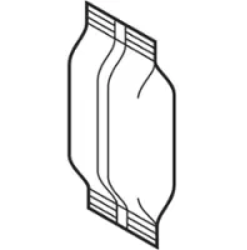
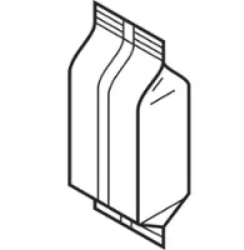
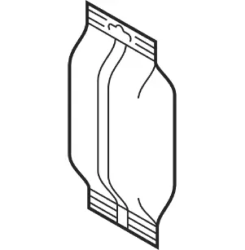
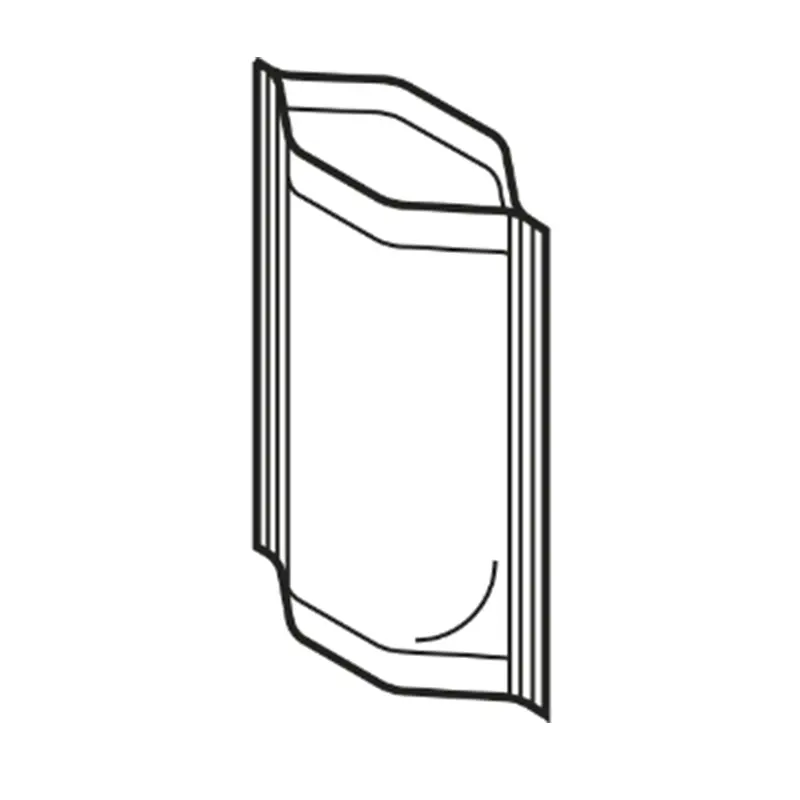
- Package dimensions
- Rollstock film or premade pouch
- Maximum drop height
- Cleaning requirements
- Number of SKUs
- Changeover frequency
- Inspection requirements
- Case packing and palletizing needs
For example, small free-flowing snacks usually provide many possible weight combinations. Large frozen pieces may require larger hoppers and wider discharge chutes. Sticky products may need special contact surfaces or controlled feeder settings. Fragile products require reduced vibration and lower drop heights.
Representative product samples should be tested because nominal product dimensions cannot fully show how the product flows, separates, and discharges during actual operation.