Water Packaging Solution
What Is Water Packaging Solution?
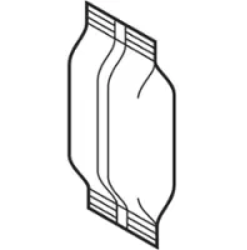
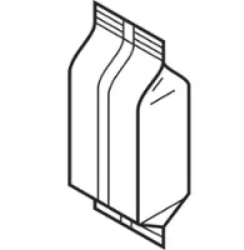
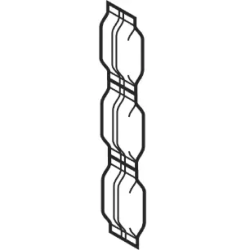
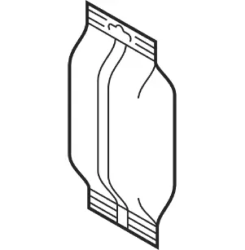
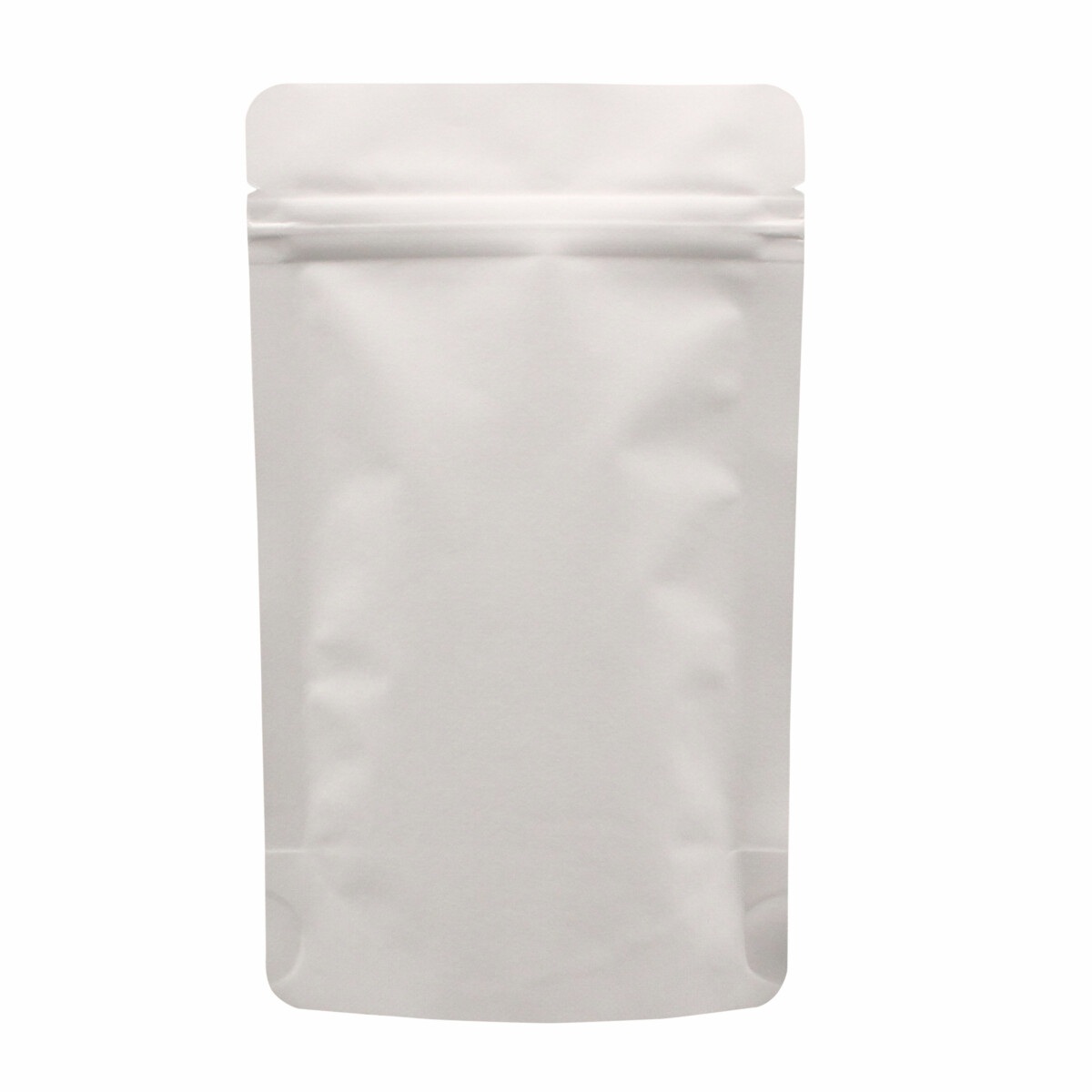
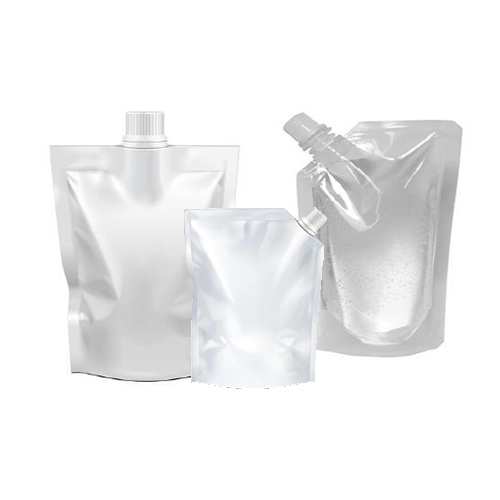
A water packaging solution is an automated system used to fill and seal water products into sachets, pillow bags, premade pouches, stand-up pouches, or secondary shipping cases.
Compared with juice, milk, or sauce, water has low viscosity and contains no pulp or suspended particles. This makes product transfer straightforward, but it also means the liquid moves quickly and can splash or drip if filling is not controlled well. At higher speeds, bag positioning, fill timing, seal cleanliness, and discharge handling become especially important.
The package must remain stable after filling. Thin flexible packs can shift, stretch, or deform when transferred too quickly. For larger pouches, the line may need additional support during filling and discharge to prevent the package from falling or pulling against the seal.
Soontrue develops water packaging solutions around the required pack volume, film type, output, and distribution method. The aim is consistent filling, clean seals, low leakage rates, and reliable handling from primary packaging to the final shipping unit.


How to Choose the Right Water Packaging Solution?
Choosing a water packaging solution starts with the target pack volume and required production speed.
Manufacturers should consider:
- Drinking water, purified water, mineral water, or flavored water
- Target filling volume
- Required filling accuracy
- Sachet, pillow bag, or premade pouch format
- Film thickness and seal structure
- Line speed
- Nozzle cut-off and anti-drip performance
- Bag support during filling
- Finished-pack discharge and conveying
- Leak inspection requirement
- Case packing method
- Palletizing and warehouse handling
- Available factory space
For example, small water sachets require fast filling, stable film tracking, and consistent sealing. Larger flexible packs need more support during filling and transfer. Retail pouches may place greater emphasis on pack shape and presentation than standard roll-film bags.
Soontrue evaluates the filling volume, package material, output target, and downstream process together before confirming the final line configuration.