1. Home
  2. Solution
  3. Liquid Packaging Solutions
  4. Milk Packaging Solution

Liquid Packaging Solutions

Milk Packaging Solution

What Is Milk Packaging Solution?

A milk packaging solution is an automated system used to fill and seal liquid dairy products into sachets, pillow bags, premade pouches, stand-up pouches, cartons, or shipping cases.
Milk is sensitive to contamination and temperature changes, so the packaging process must keep the product path clean and limit unnecessary exposure. The filling system should deliver a consistent volume without excessive foaming, while the package opening and sealing area must remain free from milk residue.
Fresh milk generally requires strict hygiene control and a packaging process suited to chilled distribution. Flavored milk and dairy drinks may contain sugar, cocoa, stabilizers, or other ingredients that change viscosity and foaming behavior. Products containing small inclusions or thicker dairy formulations need additional evaluation before the filling system is selected.
Soontrue develops milk packaging solutions around the actual product and production process. The aim is to maintain accurate filling, clean package seals, stable line performance, and efficient transfer into secondary packaging.


How to Choose the Right Milk Packaging Solution?

Choosing a milk packaging solution starts with the dairy product and the required storage process.
Manufacturers should consider:
-  Fresh milk, flavored milk, or dairy beverage 
-  Product viscosity 
-  Foaming tendency 
-  Filling temperature 
-  Chilled or ambient distribution 
-  Target filling volume 
-  Required filling accuracy 
-  Sachet, pillow bag, pouch, or carton format 
-  Packaging material and barrier performance 
-  Hygiene and cleaning requirements 
-  Seal integrity and leakage control 
-  Product changeover frequency 
-  Case packing and palletizing requirements 
For example, fresh milk packaging places strong emphasis on hygiene, cold-chain handling, and clean seals. Flavored milk may foam more or flow differently because of sugar, cocoa, or stabilizers. Thicker dairy beverages may require slower filling and a different nozzle or pump arrangement.
Soontrue evaluates the milk product, packaging material, output target, and downstream process together before confirming the line configuration.



Milk Packaging Solution Video

Watch how Soontrue milk packaging solutions handle liquid dairy products from feeding and filling to finished packing.
The video can show milk supply, metered filling, sachet forming, pouch opening, sealing, checkweighing, case packing, and palletizing.
The final configuration depends on the milk product, filling temperature, package volume, packaging material, hygiene standard, and factory layout.

{{item.title}}

  • {{item.title}}

VideoCover

SOLUTION MACHINE

Machines Included in Milk Packaging Solution

The machines used in a milk packaging line should match the dairy product, filling method, package structure, and cleaning requirements. Fresh milk, flavored milk, and thicker dairy beverages may not use exactly the same filling setup.
 

Milk Feeding System
The feeding system transfers milk from a storage or balance tank to the filling machine.
It should maintain a stable product supply without introducing excessive air or foam. The product path should be designed with hygiene and cleaning in mind, especially for fresh milk and other products with a short shelf life.
For flavored milk or dairy drinks, the feeding system should also account for viscosity, product settling, and the possibility of formulation changes between batches.


Milk Filling System
The filling system controls the volume entering each sachet or pouch.
Milk can foam when it is filled too quickly or under unsuitable pressure. Excess foam may affect filling accuracy and increase the chance of product reaching the sealing area. The nozzle position, filling speed, product pressure, and cut-off action therefore need to be adjusted around the actual dairy product.
For thicker milk drinks, the filler may need a different configuration from the one used for standard fresh milk.


Milk Sachet Packaging Machine
Milk sachet packaging is suitable for small and medium single-use dairy packs.
The machine forms the package from roll film, fills the milk, seals the pack, and cuts the finished sachet. This format is commonly used where compact packaging, efficient film use, and high-volume production are important.
The sealing area must stay clean because milk residue can weaken the seal and lead to leakage during chilled storage or transportation.


Pillow Bag Packaging Machine
Pillow bag packaging can be used for flexible milk packs produced from roll film.
It supports continuous filling and sealing for different pack volumes. The line should control bag shape, liquid movement, sealing pressure, and discharge handling so the finished pack remains stable after filling.


Premade Pouch Packaging Machine
Premade pouch packaging is suitable for dairy products requiring a more developed retail appearance.
The machine opens a ready-made pouch, fills the product, seals the top, and discharges the finished pack. It can be used for selected flat pouches, stand-up pouches, or other flexible dairy formats.
Pouch material, seal design, and filling temperature must be checked carefully for the intended milk product.


Checkweigher and Inspection System
A checkweigher can verify package weight after filling and sealing.
This helps identify variations in fill volume and supports quality control during production. Additional inspection can be added where seal integrity or leakage control requires closer monitoring.


Case Packing System
Case packing systems arrange finished milk sachets, pouches, or grouped packs into corrugated cases.
Flexible liquid packs can shift or deform, so the case packing method should consider pack orientation, layer pattern, total case weight, and transport stability.


Palletizing System
Palletizing systems stack finished cases for cold storage, warehouse handling, and distribution.
For high-output dairy production, automated palletizing can reduce manual lifting and create more consistent pallet loads.

WHAT PACKAGING SOLUTIONS ARE AVAILABLE FOR BREAD & BAKERY?

Packaging Formats for Milk

The package format for milk should be selected according to serving size, shelf-life target, filling temperature, retail channel, and cold-chain requirements.
Soontrue milk packaging solutions can support sachets, pillow bags, premade pouches, stand-up pouches, cartons, corrugated cases, and palletized loads.

  • shape-1

    Pillow Bag Packaging

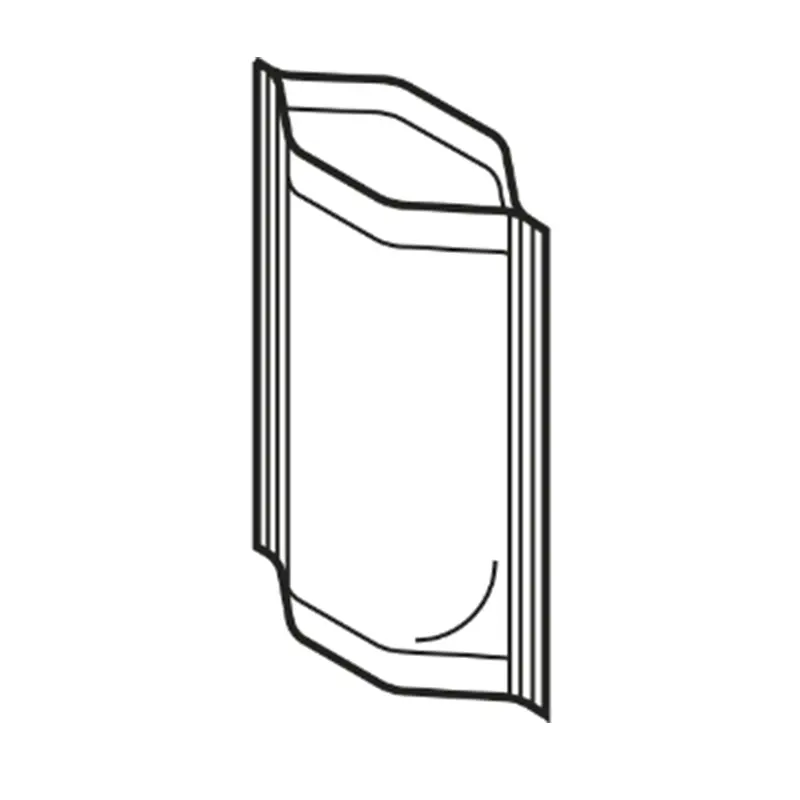
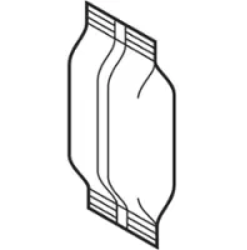
    The standard pillow bag features a simple and efficient sealing structure, making it one of the most widely used flexible packaging formats. It is suitable for a wide range of products across food, daily goods, and industrial applications.

  • Premade Pouch Packaging

    Premade Pouch Packaging

  • Box and Case Packaging

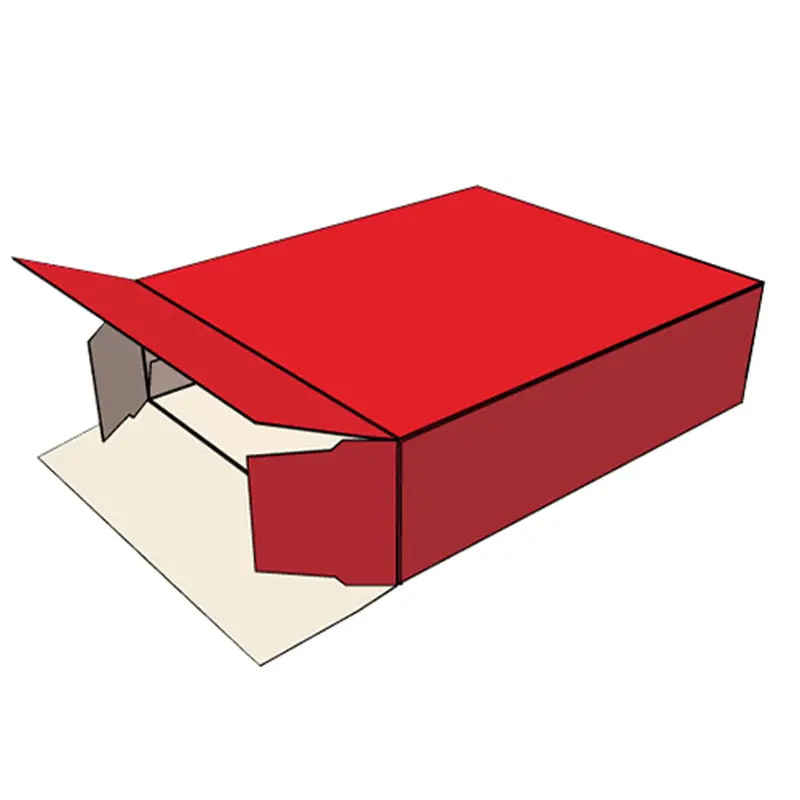
    Box and Case Packaging

FAQ

Milk Packaging Solution FAQs

Q1: What milk products can be packaged with Soontrue solutions?

Soontrue milk packaging solutions can be configured for fresh milk, flavored milk, dairy drinks, milk-based beverages, and similar liquid dairy products.

Q2: How can foaming be controlled during milk filling?

Foaming can be reduced by adjusting filling speed, nozzle position, product pressure, and filling method. The correct setup depends on the milk formulation, temperature, and package shape.

Q3: How do you prevent milk from entering the sealing area?

The line should maintain accurate bag positioning, controlled filling volume, clean nozzle cut-off, and enough clearance between the product level and the seal. Milk residue on the sealing surface can weaken the package.

Q4: Can the same line package fresh milk and flavored milk?

It depends on the difference in viscosity, foaming behavior, filling temperature, cleaning requirements, and package format. Products with similar characteristics may share a line, but the changeover process should be

evaluated first.

Q5: Are flexible pouches suitable for chilled milk?

They can be suitable when the film structure, sealing performance, filling process, and cold-chain handling meet the product requirements. The actual package material should be confirmed for the intended shelf life and

storage temperature.

Q6: Can thicker dairy drinks be filled on a milk packaging line?

Yes, but thicker products may require a different filling setup, lower filling speed, or changes to the product feeding system. Product samples and viscosity data are useful during evaluation.

Q7: Can milk packaging lines include case packing and palletizing?

Yes. A complete milk packaging line can include filling, sealing, checkweighing, case packing, carton sealing, palletizing, and other downstream automation.

Q8: What information is needed before designing a milk packaging solution?

Useful information includes product type, viscosity, foaming behavior, filling temperature, target volume, package format, packaging material, target speed, hygiene requirements, cleaning method, cold-chain conditions, factory layout, and downstream packing needs.

CONTACT

Please fill in the necessary information in the table below and click the send button. After confirming the content, the responsible person will reply.